
Innovative Architectural Solutions for Modern Living

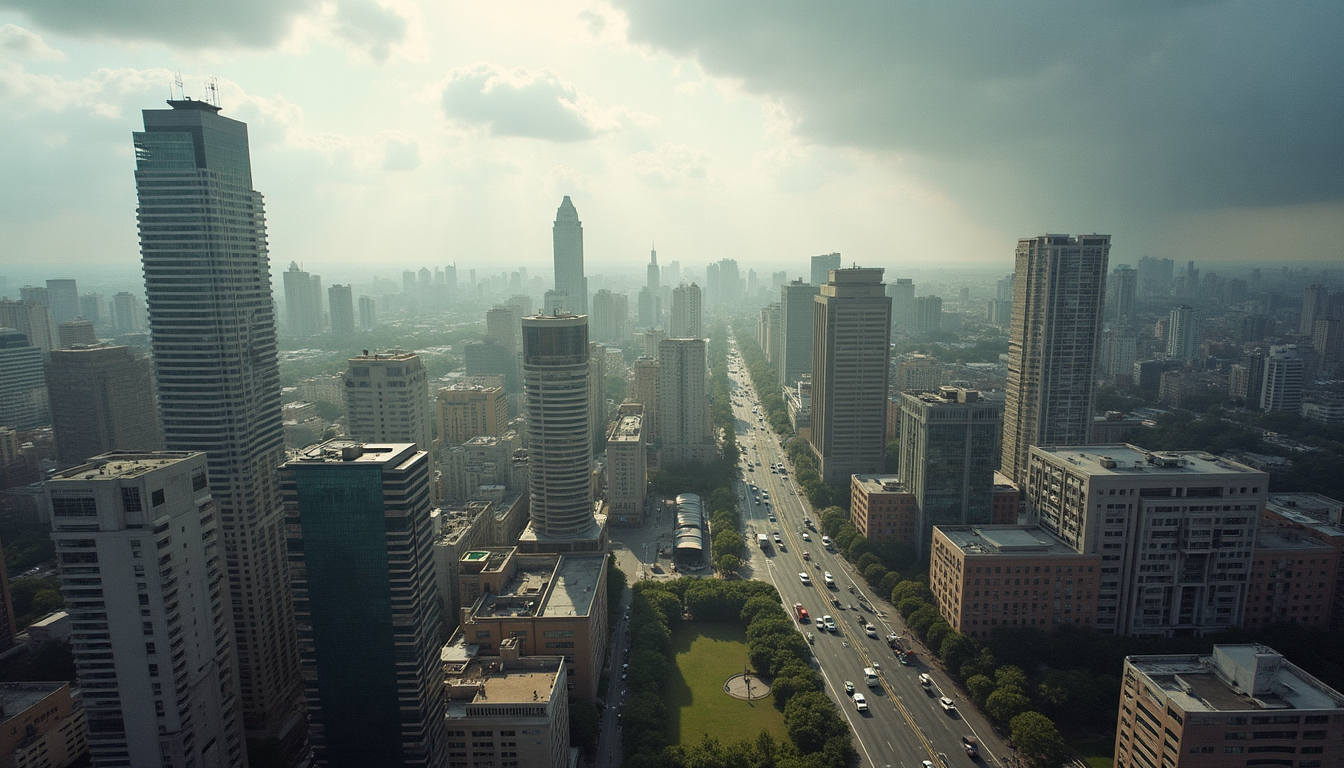
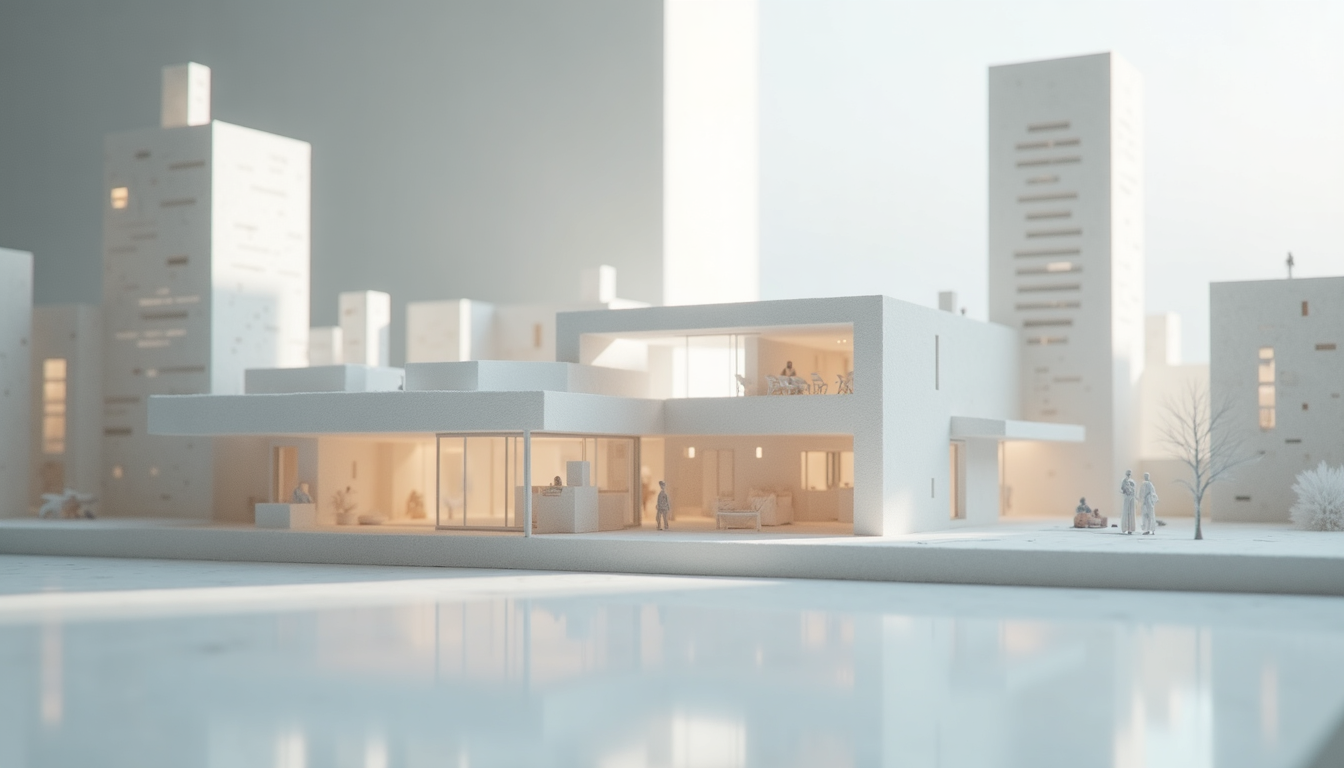
In an era where urbanization is rapidly transforming our landscapes, the need for innovative architectural solutions has never been more pressing. As cities expand and populations grow, architects and designers are tasked with creating spaces that are not only functional but also sustainable and aesthetically pleasing. This blog post explores some of the most exciting architectural trends and solutions that are shaping modern living.

The Rise of Sustainable Architecture
Sustainable architecture is no longer just a trend; it has become a necessity. With climate change posing a significant threat to our planet, architects are increasingly focusing on designs that minimize environmental impact. Here are some key aspects of sustainable architecture:
Energy Efficiency
Energy-efficient buildings are designed to reduce energy consumption through various means, such as:
Passive solar design: Utilizing natural sunlight for heating and lighting.
High-performance insulation: Reducing the need for heating and cooling.
Renewable energy sources: Incorporating solar panels or wind turbines.
For example, the Bullitt Center in Seattle is often referred to as the greenest commercial building in the world. It features a rainwater harvesting system, composting toilets, and a solar array that produces more energy than the building consumes.
Use of Sustainable Materials
Architects are increasingly opting for materials that are renewable, recycled, or have a low environmental impact. Some popular choices include:
Bamboo: A fast-growing, renewable resource.
Recycled steel: Reduces the need for new raw materials.
Reclaimed wood: Adds character while minimizing waste.
The use of these materials not only helps the environment but also creates unique and beautiful spaces.
Smart Homes and Technology Integration
The integration of technology into architectural design is revolutionizing how we live. Smart homes equipped with advanced technology offer convenience, security, and energy efficiency. Here are some features that are becoming standard in modern homes:
Home Automation Systems
Home automation systems allow homeowners to control various aspects of their home remotely. This includes:
Lighting: Adjusting brightness and color temperature.
Heating and cooling: Optimizing energy use based on occupancy.
Security: Monitoring home security through cameras and alarms.
For instance, the Nest Learning Thermostat learns your habits and adjusts the temperature accordingly, saving energy and enhancing comfort.
Sustainable Smart Technologies
Innovative technologies are also being developed to support sustainable living. Examples include:
Smart irrigation systems: Automatically watering gardens based on weather conditions.
Energy monitoring systems: Providing real-time data on energy consumption.
These technologies not only improve the quality of life but also contribute to a more sustainable future.
Modular and Prefabricated Construction
Modular and prefabricated construction methods are gaining popularity due to their efficiency and cost-effectiveness. These methods involve constructing sections of a building off-site and then assembling them on location. Here are some benefits of this approach:
Speed of Construction
Modular construction significantly reduces the time required to complete a building. Since sections are built simultaneously in a factory setting, projects can be completed in a fraction of the time compared to traditional methods.
Reduced Waste
Prefabrication minimizes waste by allowing for precise measurements and controlled manufacturing environments. This not only saves materials but also reduces the environmental impact of construction.
A notable example is the Koda House, a modular home designed by Kodasema. This compact, prefabricated house can be assembled in just a few days and is designed to be energy-efficient and sustainable.
Biophilic Design
Biophilic design emphasizes the connection between humans and nature. This approach incorporates natural elements into architectural design, promoting well-being and enhancing the living experience. Key features of biophilic design include:
Natural Light
Maximizing natural light through large windows and open spaces can improve mood and productivity. For example, the Bosco Verticale in Milan features residential towers with trees and plants integrated into the facade, creating a green oasis in the city.
Indoor Green Spaces
Incorporating plants and greenery into indoor spaces can enhance air quality and create a calming atmosphere. Many modern offices and homes now feature living walls or indoor gardens.
Adaptive Reuse of Buildings
As cities evolve, the adaptive reuse of existing structures has become a popular solution. This approach involves repurposing old buildings for new uses, preserving history while meeting modern needs. Benefits of adaptive reuse include:
Preservation of Cultural Heritage
Repurposing historic buildings helps maintain cultural identity and heritage. For instance, the Tate Modern in London was once a power station and is now a renowned art museum, showcasing how old structures can be transformed into vibrant spaces.
Environmental Benefits
Adaptive reuse reduces the need for new construction, minimizing waste and resource consumption. It also often requires fewer materials and energy than building from scratch.
Conclusion
Innovative architectural solutions are essential for addressing the challenges of modern living. From sustainable design and smart technology to modular construction and biophilic elements, architects are finding creative ways to enhance our living environments. As we move forward, embracing these solutions will not only improve our quality of life but also contribute to a more sustainable future.
As you consider your own living space, think about how these innovative solutions could be integrated into your home. Whether it's through energy-efficient designs, smart technology, or the use of sustainable materials, there are countless ways to create a modern living environment that meets your needs while respecting the planet.
Comments